
Tsuzuku · BLOF · Soil · India · Demonstration
Two climates, one method: proving Tsuzuku from the Himalayas to the Deccan
Two climates, one method
A method that only works in one place is a recipe, not a system. Tsuzuku — M2Labo’s Indian implementation of BLOF (Bio Logical Farming) — has to do something harder than grow one good crop in one good place: it has to build living soil in soils and climates that have almost nothing in common.
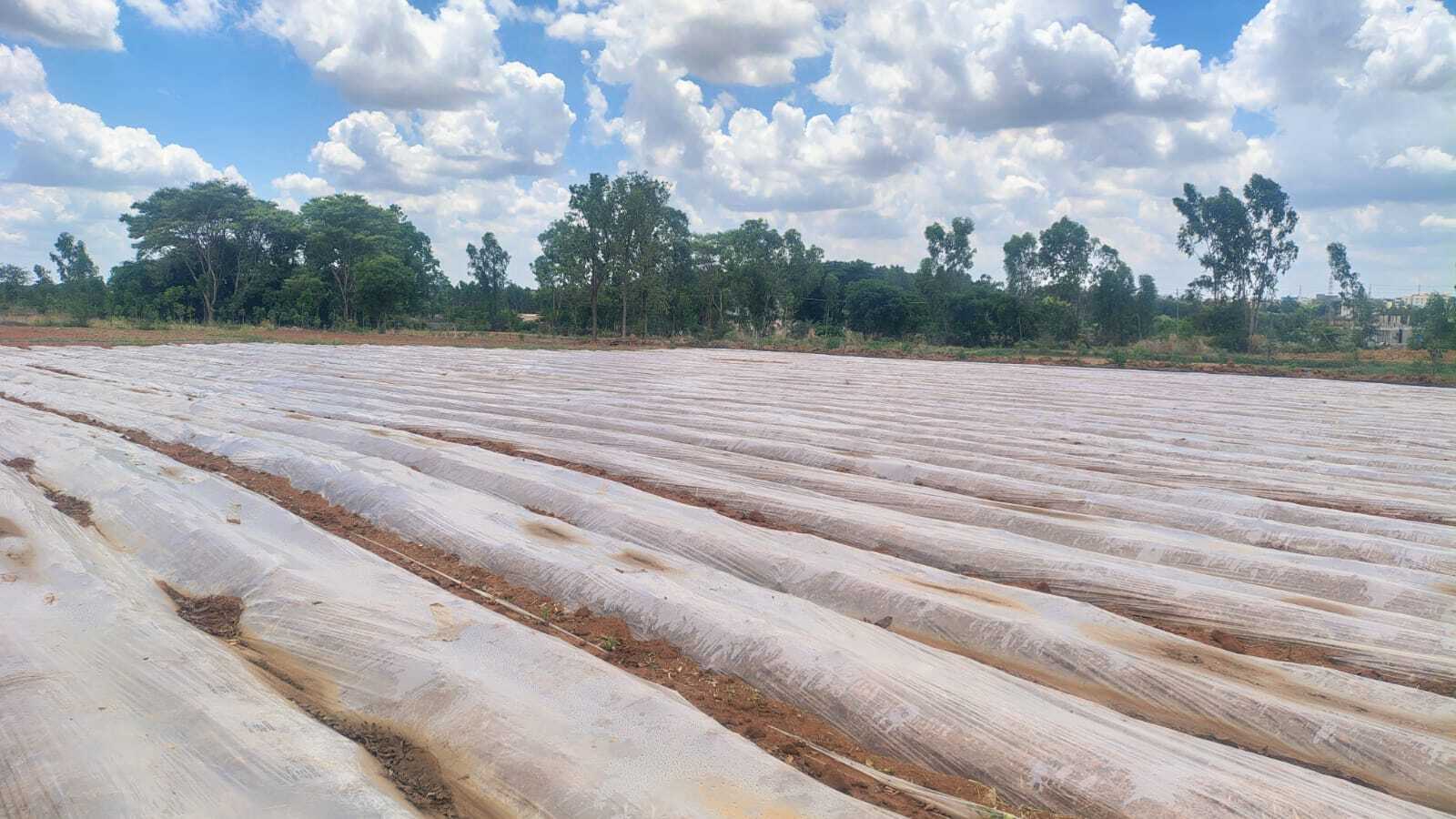
So we’re proving it in two at once. Cool, terraced Himalayan foothills in Himachal Pradesh, and the hot, heavy red soils of the Deccan around Bengaluru — with our strawberry sites in Kaprada (Gujarat) and Ambegaon (Pune, Maharashtra) in between. Same three pillars. Two completely different grounds.
The method doesn’t bend — the inputs do
BLOF rests on three pillars: amino-acid nutrition the root can take up directly, mineral balance set by soil analysis rather than guesswork, and living soil structure — the crumb (団粒) built from matured crop residue and solar conditioning. (We unpack these in “Tsuzuku — soil that continues.”)
What changes between a Himalayan terrace and a Deccan field isn’t the principle — it’s the prescription. The pillars stay fixed; the quantities are set by the soil in front of you. That’s the whole reason the method travels: it’s not “do exactly this,” it’s “build a living soil, and let the soil tell you the numbers.”
What “the same method” looks like on the ground
Across sites, the same sequence runs — and it’s measured, not assumed:
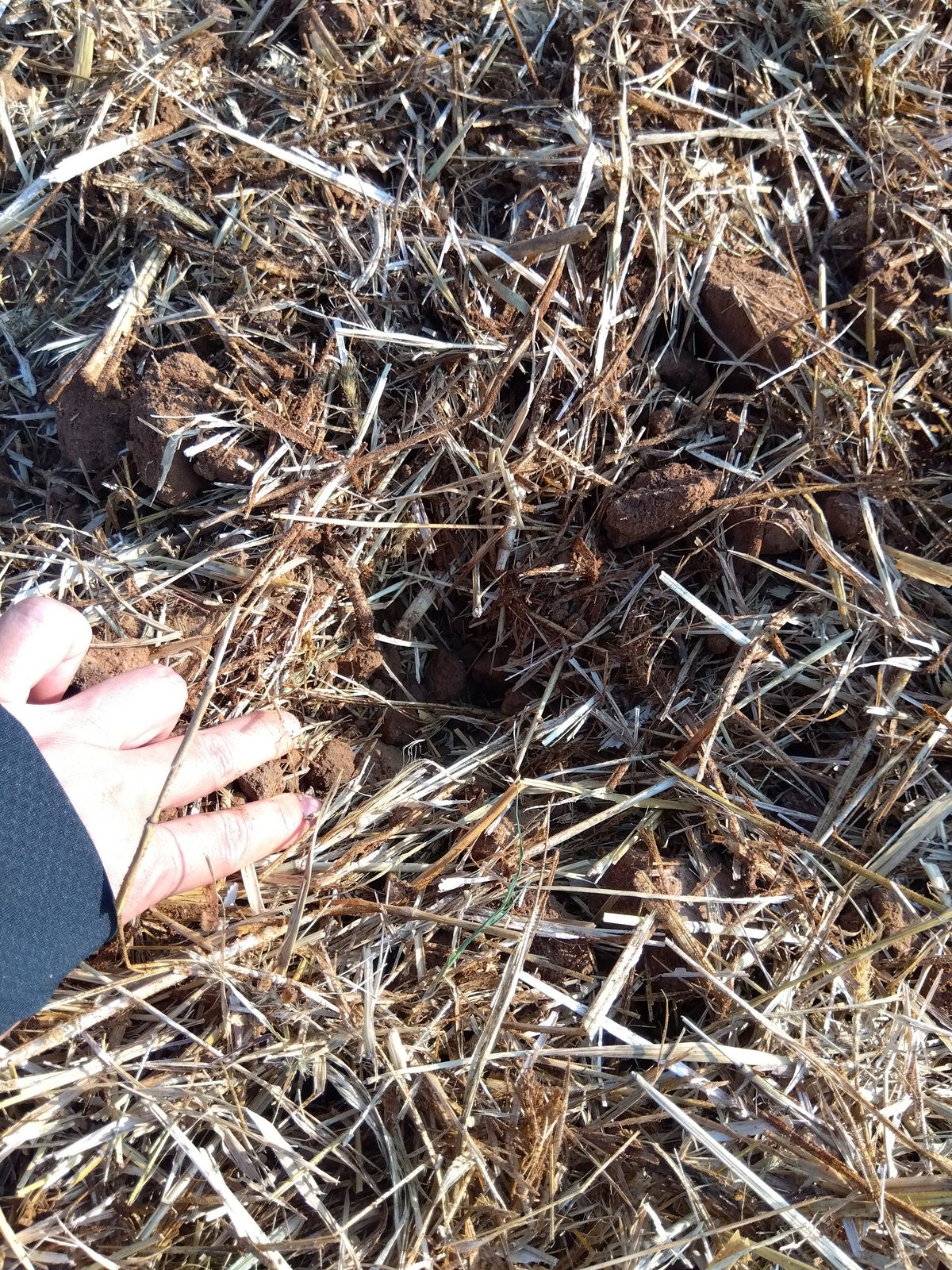
- Return the residue. Crop residue is brought back to the soil as the carbon that feeds the crumb — on the order of a tonne of rice straw per thousand square metres of bed.
- Solar-condition the beds. Before planting, beds are solar-cured — heat-treating the soil to suppress disease and kick off the biology that builds structure.
- Test, three times. Soil is analysed before conditioning, after conditioning, and after harvest. Three reads on the same ground means we know what the soil actually did, not what we hoped — and the next season starts from data.
- Balance, then plant. Minerals are corrected to what the analysis shows is missing; only then does the crop go in.
Run that in Himachal and the limiting factors are cold and slope. Run it in Deccan red soil and they’re heat and a heavy, mineral-locked earth. The steps are identical; the soil writes the dosage.
Why the proof matters more than the promise
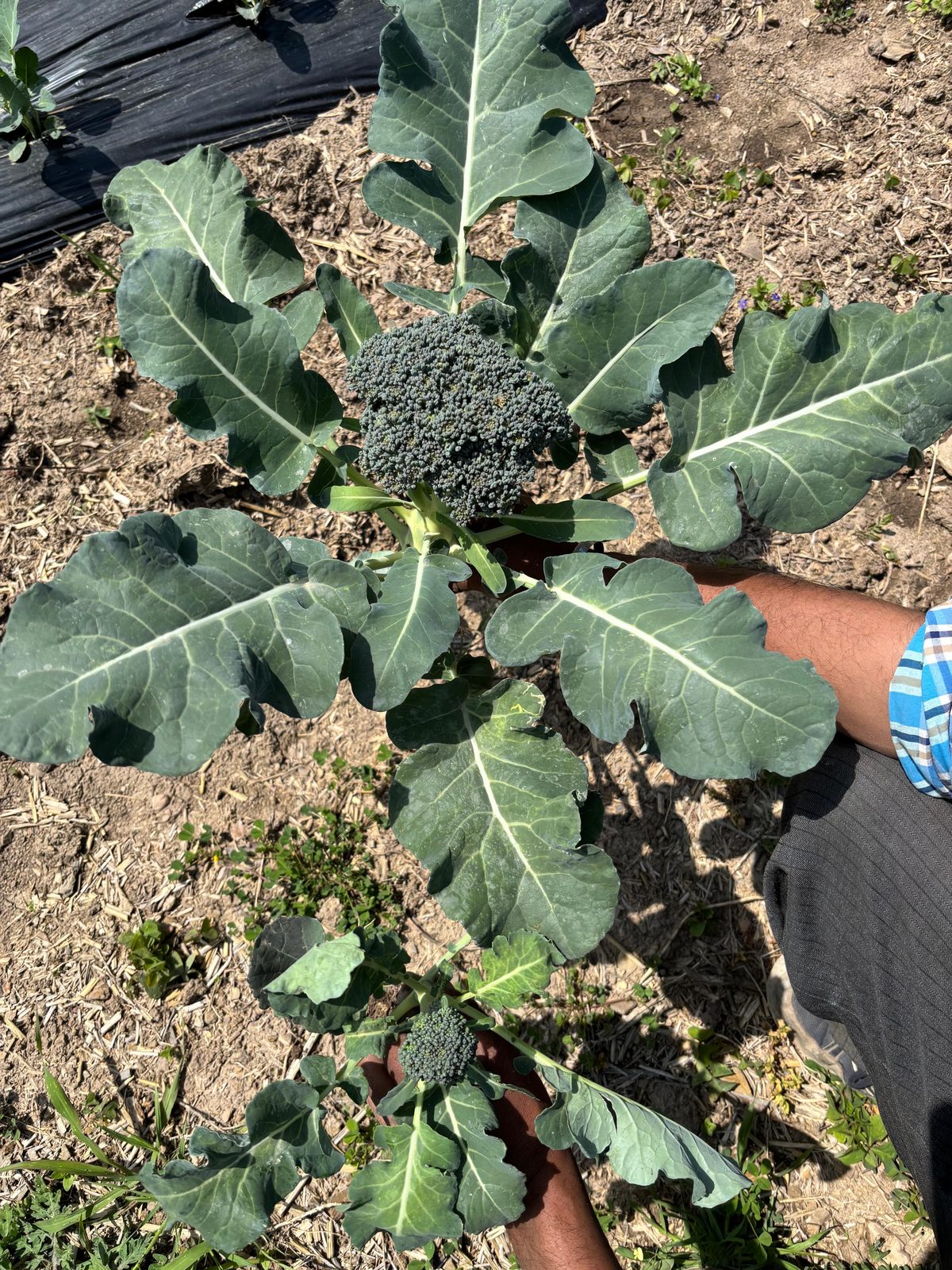
Indian agriculture has heard a lot of promises. What earns a farmer’s trust isn’t a claim — it’s the plot next door. So Tsuzuku spreads by demonstration: a bed of built soil, growing a visibly bigger, healthier crop, that a neighbouring farmer can walk up to and see.
The Japanese BLOF record sets the bar we’re proving against: in rice, growers report higher grain counts per head, more effective tillers, measurably lower grain protein (which reads as better eating quality), and a herbicide programme that steps down year on year as the soil’s own structure takes over weed suppression. The Tsuzuku job is to reproduce that logic — higher yield, better quality, fewer inputs over time — in Indian conditions.
From demonstration to scale
Two demonstration climates are the start, not the goal. The opportunity is the size of the country: Gujarat and Maharashtra alone run to tens of millions of hectares of farmland and hundreds of farmer producer organisations between them. Reaching mid-sized farms means pairing the biology with mechanisation — so that building living soil can happen at the scale of a village, not just a plot.
Cool hills, hot plains, smallholder terraces, mid-sized estates — one method, proven where it’s hardest. That’s how a Japanese soil science becomes an Indian brand.
Tsuzuku. つづく. It continues.
Tsuzuku is a brand of M2Labo Bharat Pvt. Ltd., the India arm of Japan’s M2Labo, backed by Suzuki. Talk to us about Tsuzuku for your land, FPO or estate: ✉️ contact-bharat@m2-labo.jp