
Tsuzuku · BLOF · Soil · Regenerative · India
Tsuzuku — soil that continues
Tsuzuku — soil that continues
つづく / Tsuzuku means “it continues.” It’s the name we gave to one stubborn idea: that good farming shouldn’t be a single good harvest you got lucky with — it should be soil that keeps producing, year after year, with less bought in and more grown from within.
Tsuzuku is M2Labo’s brand for the Indian implementation of BLOF — Bio Logical Farming, the Japanese soil science developed over decades by Japan Bio Farm. We didn’t invent BLOF. What we’re building under Tsuzuku is the part that’s genuinely hard: making it work in Indian soils, Indian climates, Indian supply chains, and Indian economics — from the Himalayan foothills to the red earth of the Deccan.
The problem Tsuzuku is built for
Most “improvement” sold to a farmer is a product: a bag of fertiliser, a bottle of pesticide, a one-season yield bump that has to be bought again next season. The soil itself slowly gets poorer, harder, more dependent. Costs ratchet up; quality drifts; the land tires.
BLOF starts from the opposite end. It treats the soil as a living system to be built, not a substrate to be dosed. Build it once, properly, and it does the work for you — and keeps doing it. That’s the whole point of the name.
What BLOF actually is — three pillars
BLOF is not a philosophy; it’s a method with measurements behind it. Three pillars:
- Amino-acid nutrition, not just mineral nitrogen. Conventional farming feeds plants inorganic nitrogen and hopes the plant builds it into protein. BLOF supplies nitrogen partly as amino acids, which the root can take up directly — proven in plant-physiology research — so the plant spends less energy and builds healthier tissue, especially under cool, low-light conditions.
- Mineral balance by soil analysis. Not “add more,” but add what’s missing. Soil is tested, and calcium, magnesium, iron and trace minerals are brought into balance — because a plant’s strength, sweetness and disease resistance are downstream of mineral balance, not luck.
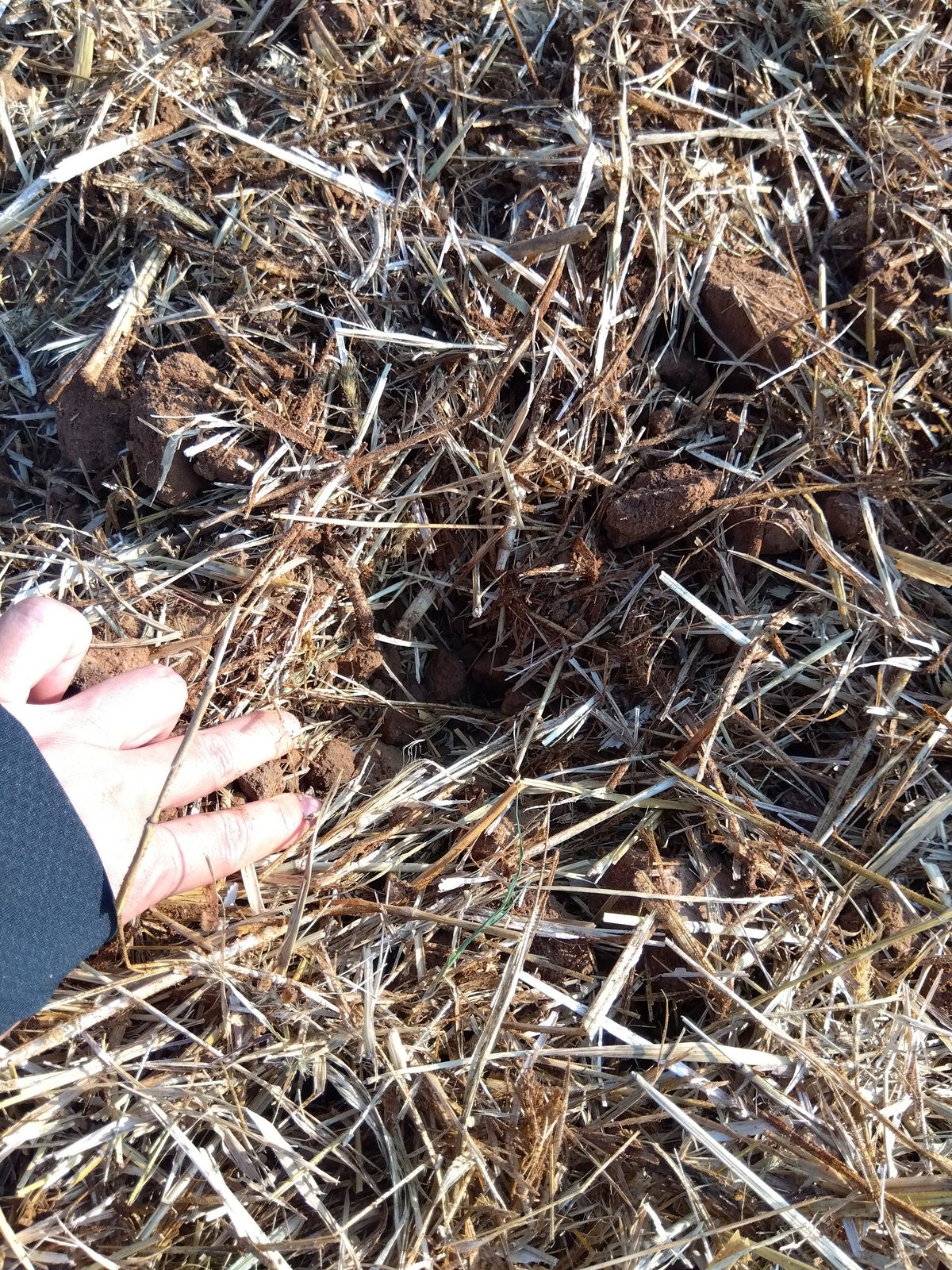
- Living soil structure — the “crumb.” Through carefully matured compost and solar soil-conditioning, we build soil aggregate (団粒) — the crumbly, air-holding, water-holding structure that roots and microbes need. This is the engine that makes the other two pillars work.
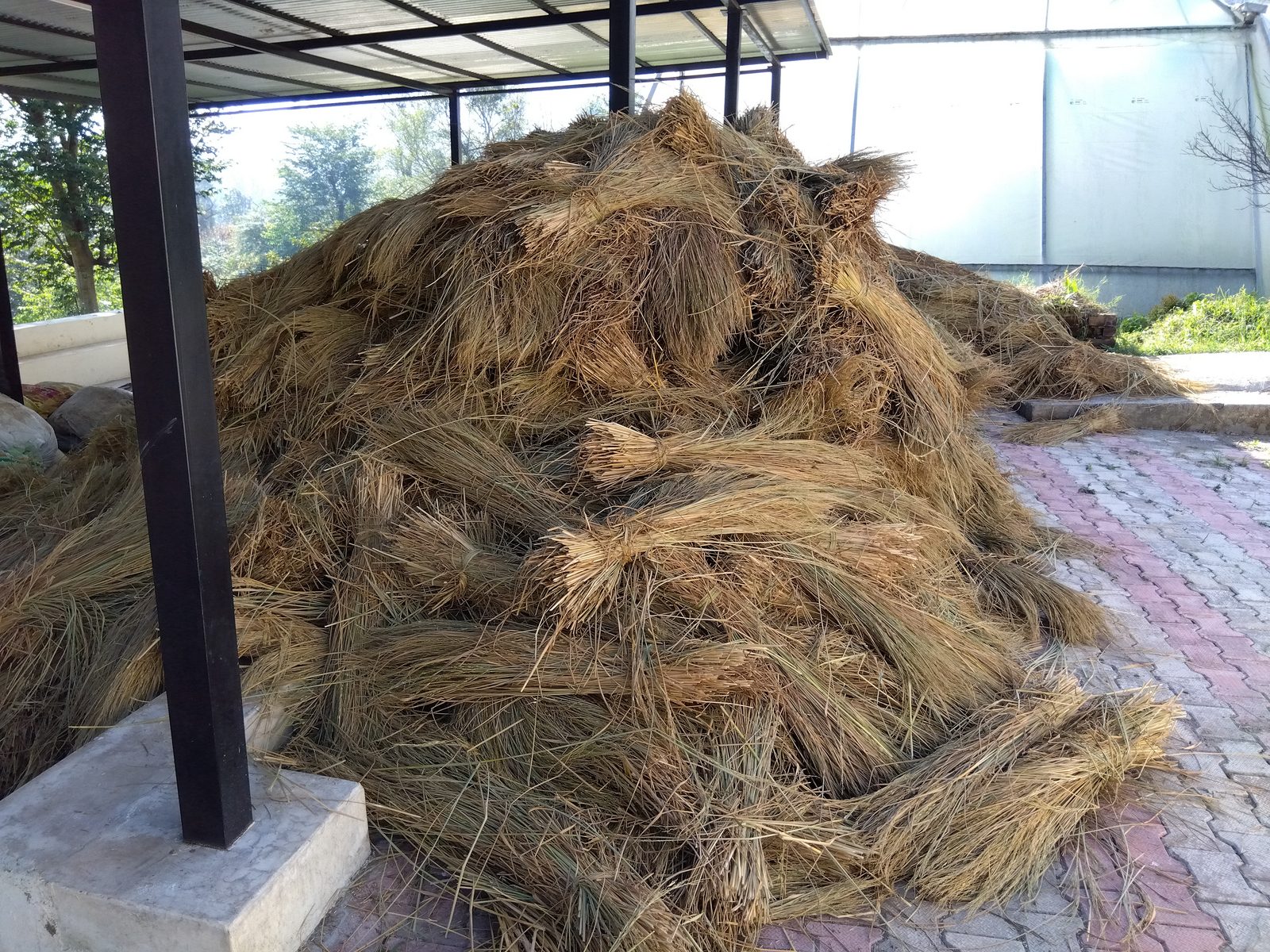
The straw above isn’t waste. Returned to the soil and decomposed the right way, crop residue becomes the carbon that feeds the crumb — water-soluble carbohydrates, humic acids, and the aggregate structure that turns dead dirt into living soil.
What the payoff looks like
When the soil is built, the results compound — and they’re measurable, which matters for a brand that wants to be trusted by farmers, buyers and partners:
- Higher, more reliable yield — more usable produce per plot, with fewer failures.
- Better quality — higher Brix (sweetness), stronger cell walls, longer shelf life. In BLOF rice, growers report measurably lower grain protein, which reads as higher eating quality.
- Fewer chemical inputs — stronger plants and balanced soil biology mean less reliance on pesticides and herbicides over time, opening the door to organic certification and premium markets.
- It continues — the soil improves each season instead of degrading. Tsuzuku.
Tsuzuku in India: two climates, one method
A method only earns its name when it travels. We’re proving Tsuzuku across two very different Indian environments at once.
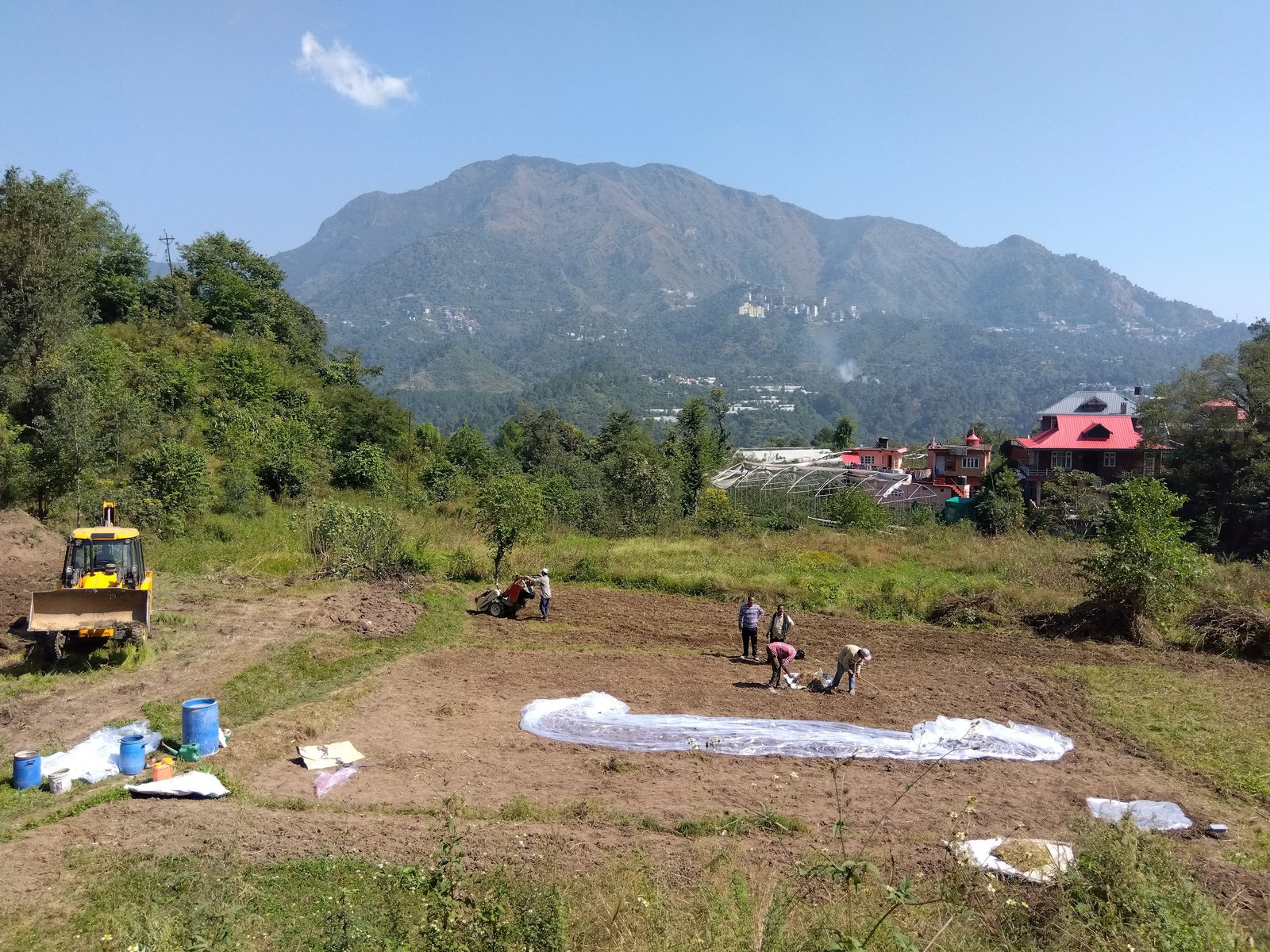
The Himalayan foothills (Himachal Pradesh). Cool-climate, terraced, smallholder country — and the site of our work connected to a JICA India initiative. The photo at the top of this page is that ground being prepared — tilled and laid with solar-treatment sheet, the hills and village behind — before a single Tsuzuku bed is shaped.
The Deccan red soils (near Bengaluru). Hot, tropical, mechanisable plains — and home to India’s agri-machinery heartland, where we’ve been laying out Tsuzuku beds on the ground. Here the challenge is different: lay out beds at scale, build aggregate in heavy red laterite soil, and bring mechanisation to a biological method.
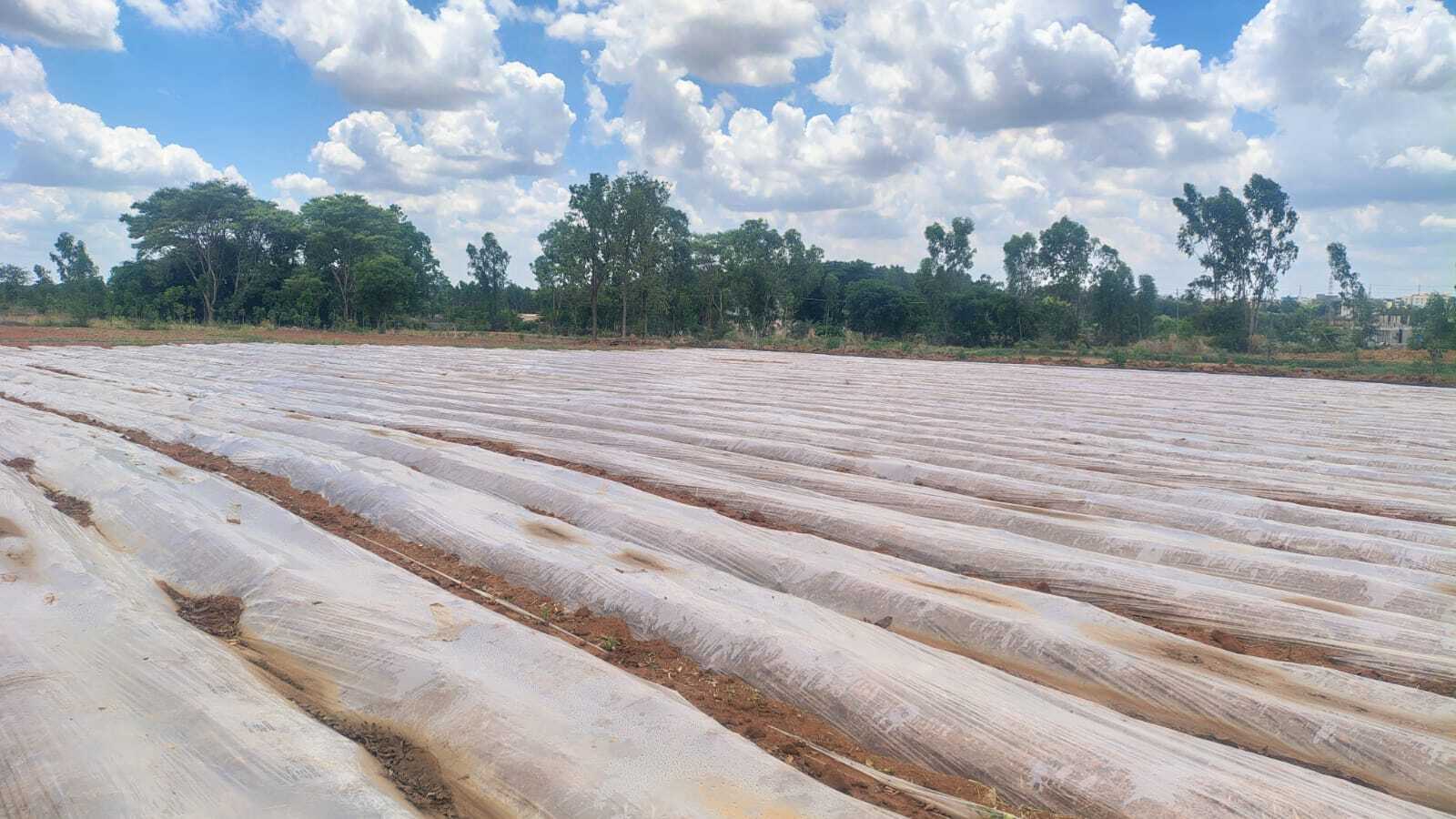
Same three pillars. Two completely different soils and climates. That’s the test that turns a Japanese method into an Indian brand.
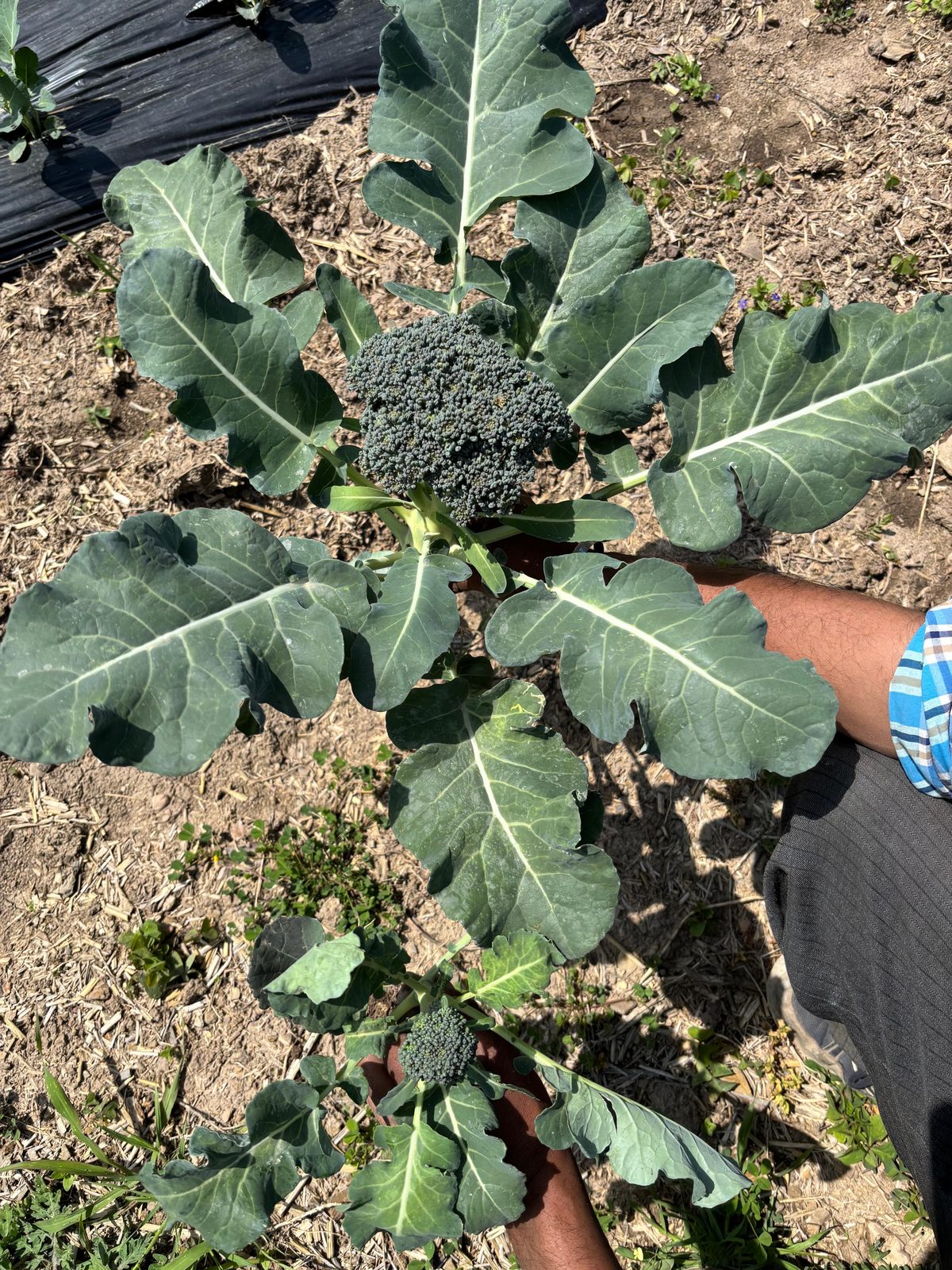
The crop above wasn’t grown to sell. It was grown to show — a demonstration plot proving that built soil grows a bigger, healthier plant. That’s how Tsuzuku spreads: not by argument, but by a neighbouring farmer looking over the fence.
Why “Tsuzuku,” and why now
India’s farms carry enormous pressure — tired soils, input costs, water stress, a climate that’s getting harder. The answer can’t be more inputs forever. It has to be soil that gives more while needing less, and that lasts.
That’s the promise in the name. Not a miracle, not a brand of fertiliser — a method, packaged to travel, that leaves the land better than it found it.
Tsuzuku. つづく. It continues.
Tsuzuku is a brand of M2Labo Bharat Pvt. Ltd., the India arm of Japan’s M2Labo, backed by Suzuki. Tsuzuku adapts BLOF (Bio Logical Farming) for Indian soils and growers — production-area development, soil design, and agronomy support.
Talk to us about Tsuzuku for your land, FPO, or estate: ✉️ contact-bharat@m2-labo.jp