
Tsuzuku · BLOF · Soil · Field Notes · India
Sakori, in the rain: scouting a Tsuzuki trial plot, starting with the soil
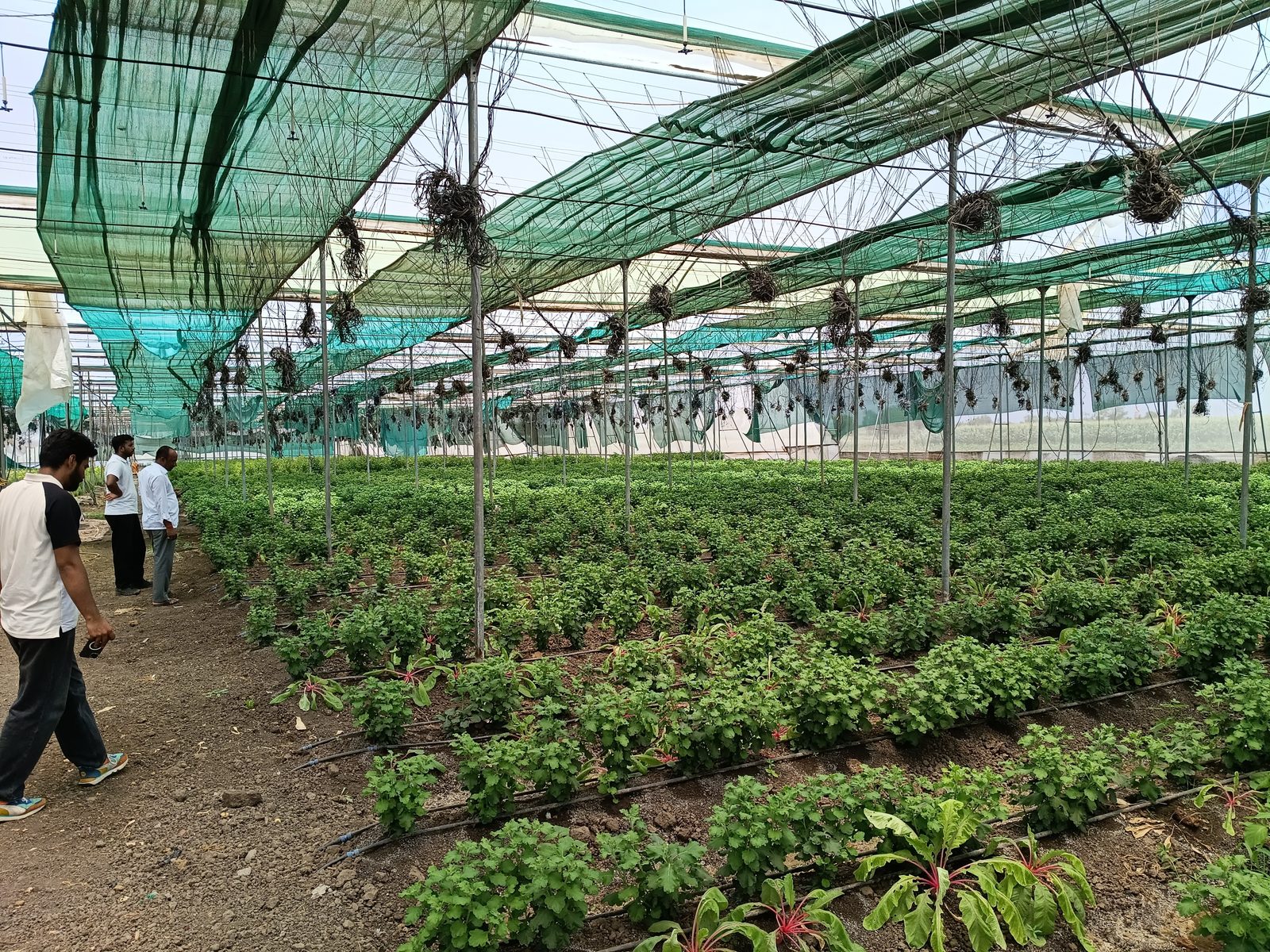
Sakori, in the rain
Date: June 25 Place: Sakori village
The monsoon had already turned the ground dark when we reached Sakori. This is the field where a Tsuzuku demonstration trial is planned — the next place we intend to prove, on Indian soil and in Indian economics, that the BLOF method holds.
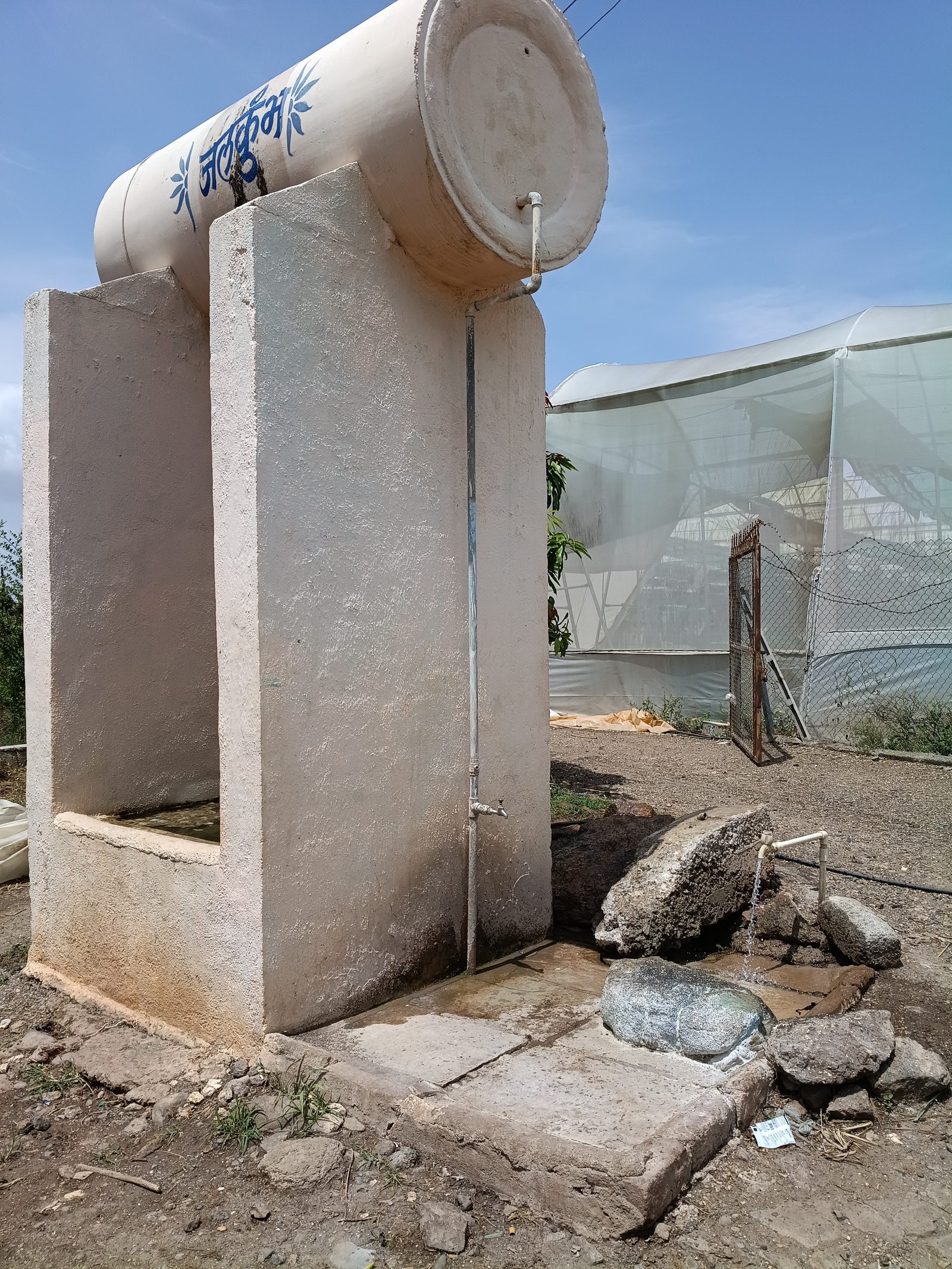
We walked the plot with the people who farm it: the shade-net structure, the beds, the drip lines, the water source. A trial field is never just soil — it’s water, shelter, labour and habit, and all of it matters to how a method lands.
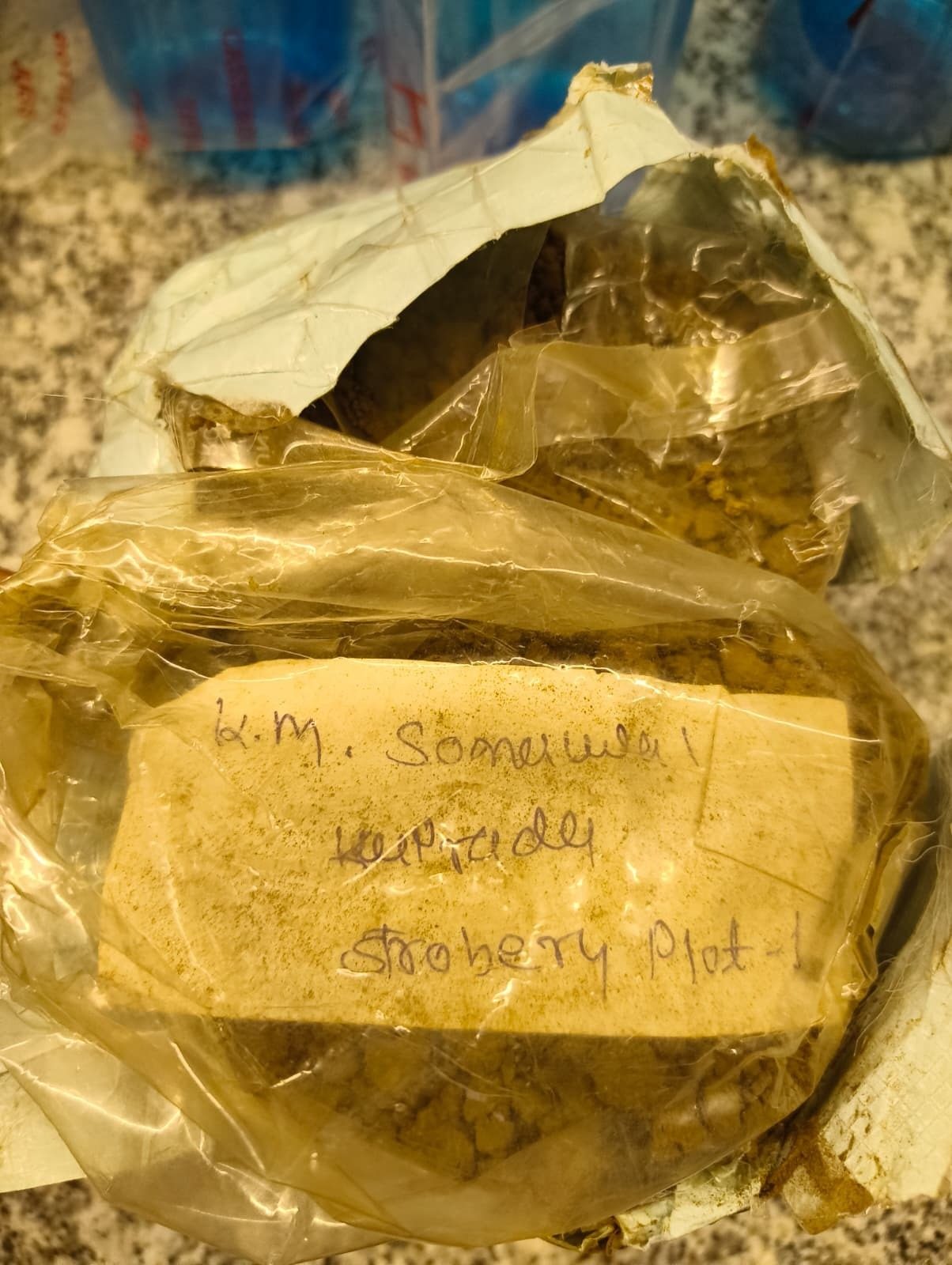
Starting where BLOF always starts
But the real work of the day fit into a few plastic bags. We collected soil samples from the candidate plots — each bag labelled with the farmer, the place and the plot — and carried them back for laboratory analysis.
This is the whole discipline of BLOF in one gesture. We don’t guess what the soil needs, and we don’t prescribe from a catalogue. First you measure. The analysis tells us what the soil actually holds — its minerals, its organic matter, its imbalances — and only then is the soil design written: which matured compost, which minerals, in what order, for that field and no other.
What happens next
The samples go to the lab. The numbers come back. Then the design work begins — and when the beds are built and the trial is planted, we’ll report it here, results included.
That’s the promise in the name. Not one good visit, one good season. Tsuzuku — it continues.