Tsuzuku · BLOF · Soil · Field Notes · India
Kodawadi: the next question for Tsuzuki is cost
Kodawadi: the next question is cost
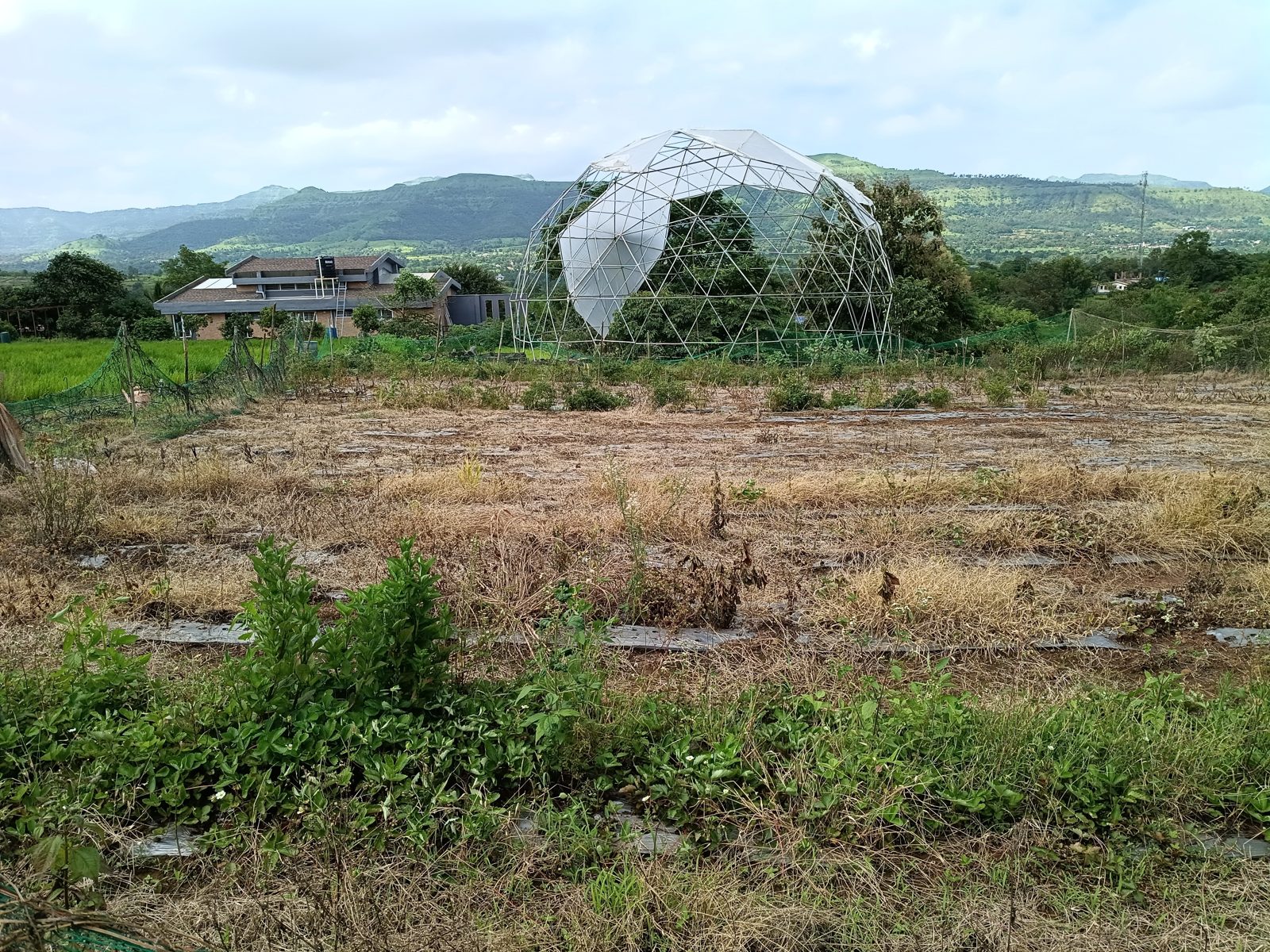
Date: September 7 Place: Kodawadi, near Pune
Our farming method, Tsuzuki, has already left results in India. Where it has been applied, we have seen higher yields, larger and heavier fruit, and higher sugar content — the same things BLOF delivers in Japan, reproduced under Indian conditions.
That is the part we could show quickly. The harder part is the next one.
Results are not enough
When you think about Indian farms and Indian agriculture as a whole, the inputs matter as much as the outputs. Materials and labour — the compost, the minerals, the hours of work a method asks for — decide whether a farmer can actually keep doing it, season after season. A method that raises the harvest but also raises the cost beyond reach is not a method that continues.
So we have set ourselves the question openly: how do we bring down the input cost of Tsuzuki without giving up the results?
A trial field of our own, near Pune
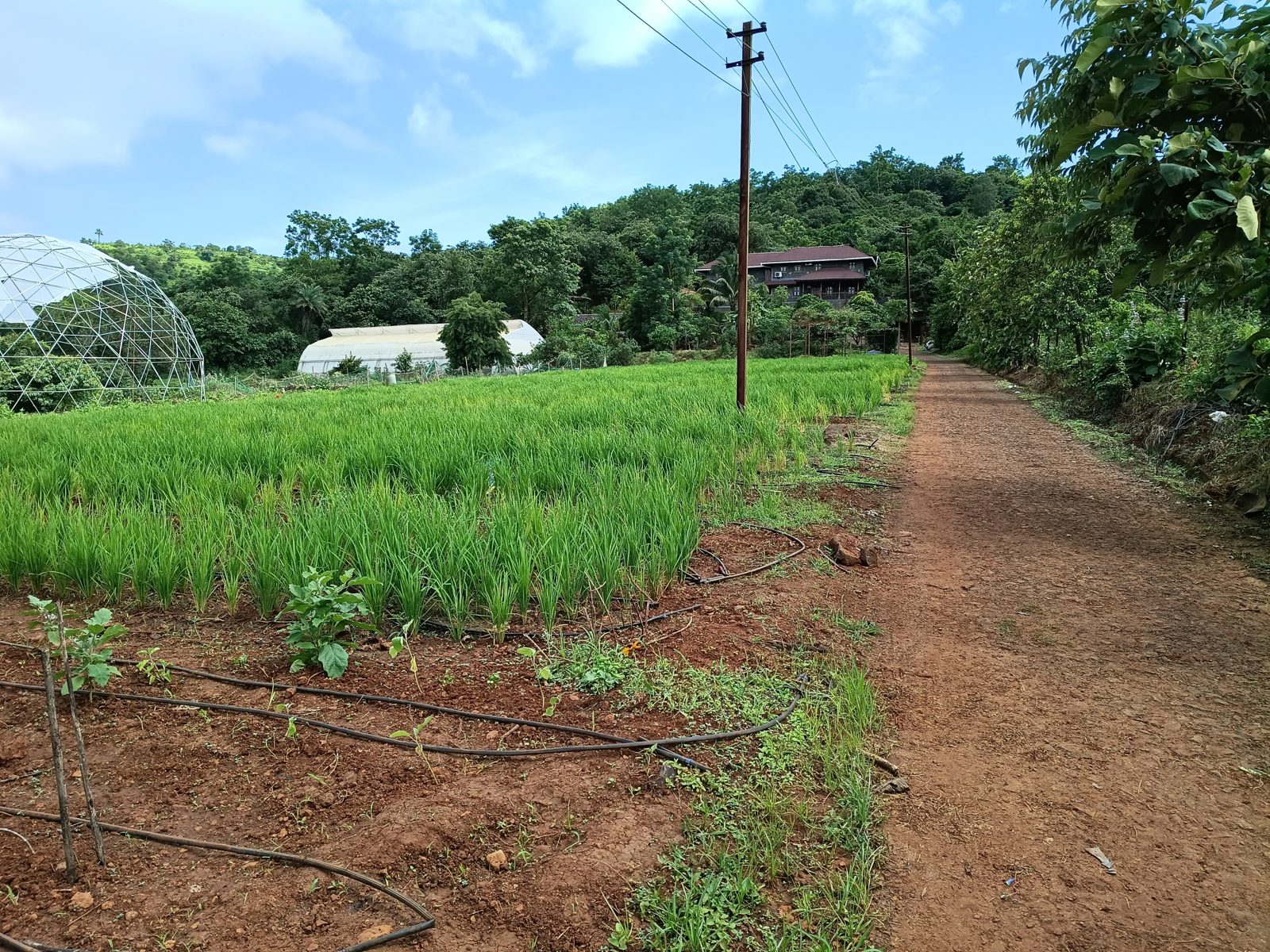
To work on that, we are now doing development research at a trial field in Kodawadi, on the outskirts of Pune, with the cooperation of farmers connected through our own network. It is a working farm — a rice paddy, drip lines, a dome greenhouse, raised beds — and it gives us a place to test ideas before we ask anyone else to adopt them.
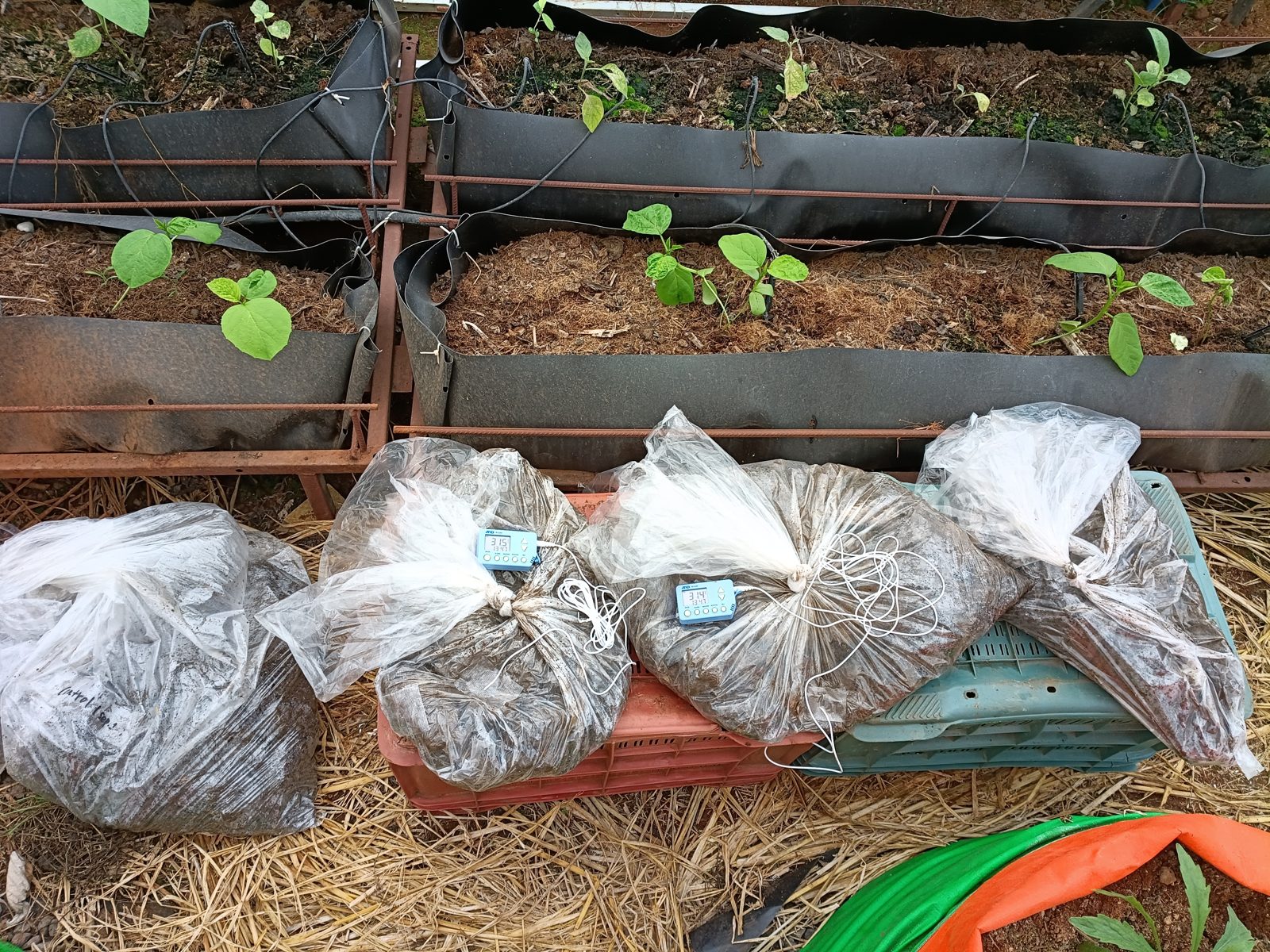
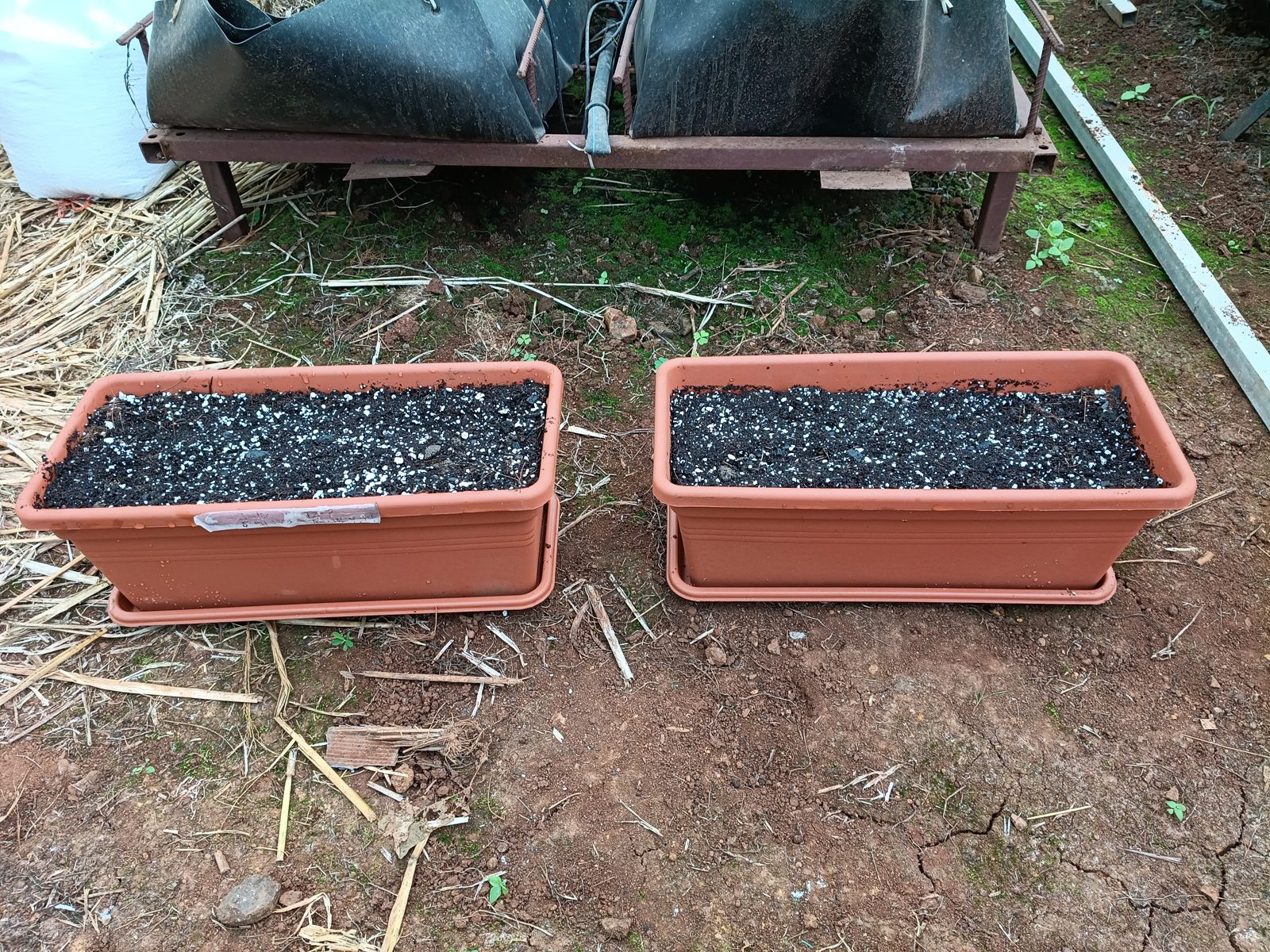
On September 7 the work looked much like it always does at the start: soil samples bagged and labelled for analysis, and new planting containers filled with media ready for the first trial sowings.
What we are testing
The questions on the bench are practical ones: which locally available materials can replace imported ones without losing the effect; how far the labour of soil preparation can be reduced; and what the minimum design is that still produces a Tsuzuki result. We will measure, compare, and report here — costs included.
That is what the name promises. Tsuzuku — it continues.